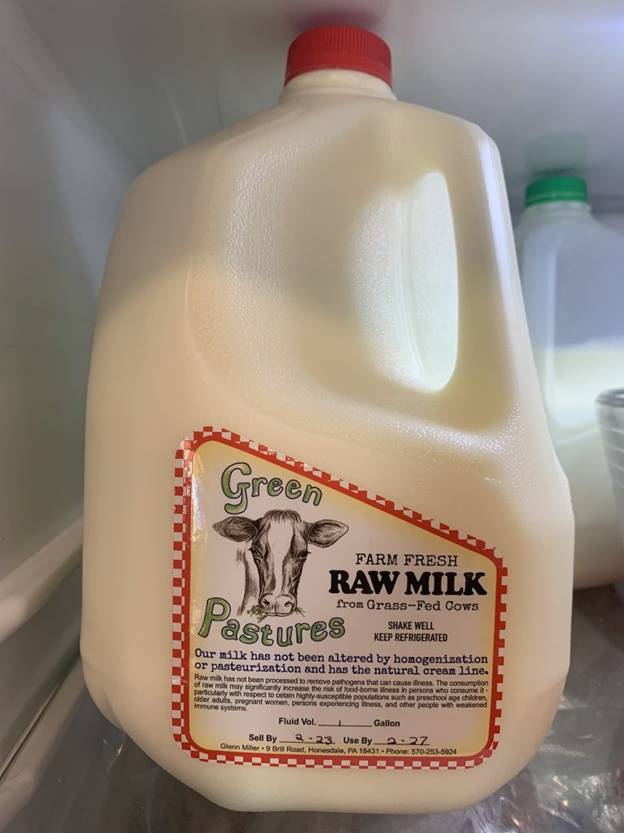
Pasteurized and homogenized milk is widely consumed and generally regarded as safe, yet its processing raises important questions about quality and potential health implications. Industrial methods designed to extend shelf life and ensure uniformity can obscure the original condition of the milk, making it difficult for consumers to understand exactly what has been altered in the process. These concerns extend beyond safety alone, touching on nutritional integrity and digestibility. In the following article, Michael W.
Blog
Regenerative Farming
How Soil, Plants, and People Are Interconnected
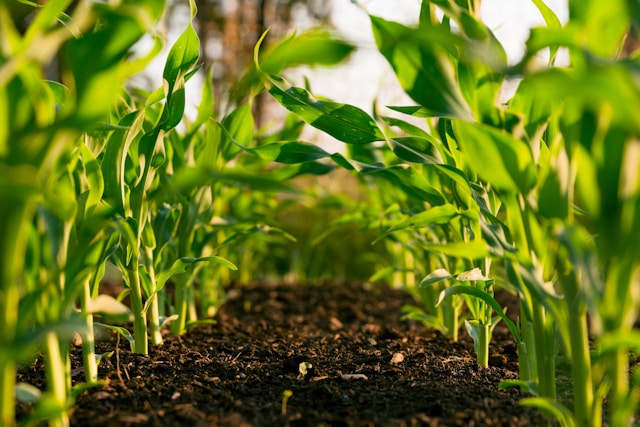
Modern agricultural science has transformed our understanding of soil from inert dirt to a living ecosystem rich in biological activity. Rather than being a static substance, healthy soil is alive with organisms such as bacteria, fungi, protozoa, and earthworms that are essential for nutrient cycling, water retention, and plant health. These biological processes directly influence soil fertility and the nutrient content available to plants. When soil is biologically robust, it supports the growth of nutrient-dense
Michael William Brescia Regenerative Farming
Why Rotational Grazing Is the Missing Link in Healthy Poultry Systems
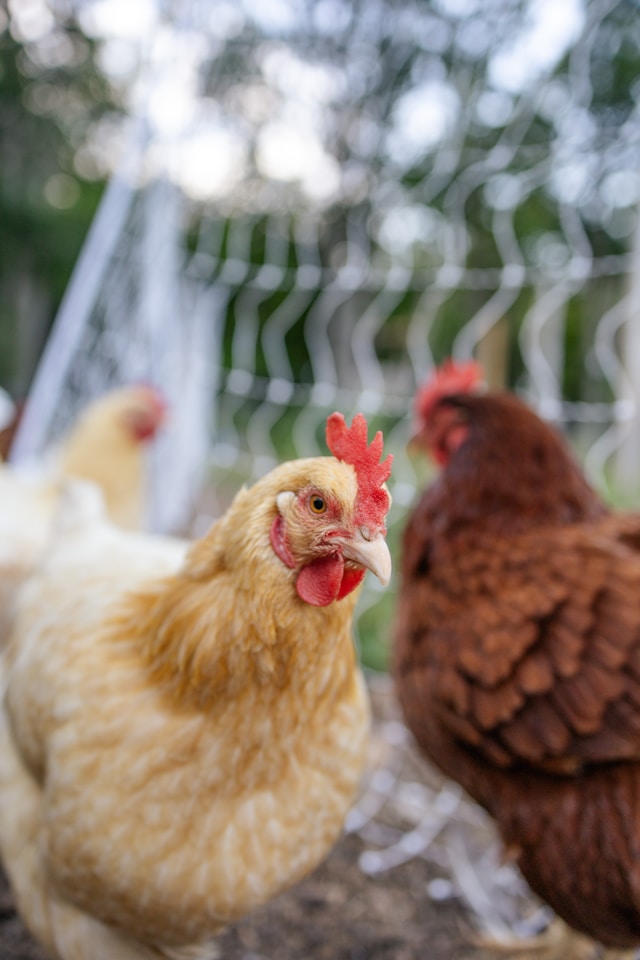
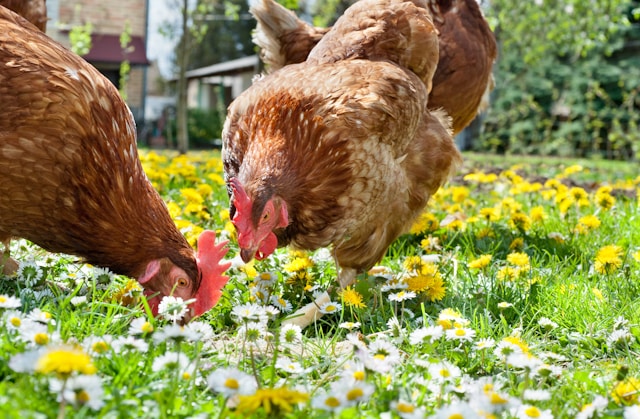
For decades, poultry production in the United States has been dominated by systems that prioritize convenience, confinement, and output over ecological balance. Even among small-scale and pasture-based producers, chickens are often managed in ways that unintentionally create soil degradation, disease pressure, and declining bird health. In regenerative agriculture, however, poultry is not viewed as an isolated enterprise. Chickens are part of a living system, one that depends on soil biology, plant diversity, and animal movement.
Regenerative Farming
Two Farming Models, Two Very Different Outcomes
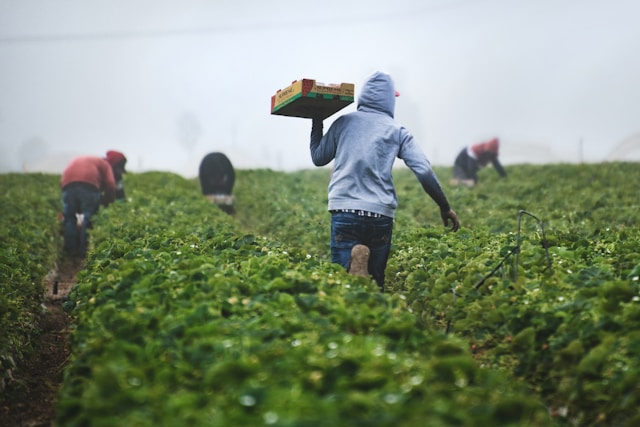
Across the United States, agriculture feeds millions, but the way food is produced matters just as much as the volume. Recent investigations into farm labor conditions have drawn renewed attention to the human cost embedded in large-scale commercial farming systems. Wage theft, unsafe working environments and weak regulatory oversight are not isolated incidents; they are symptoms of a production model designed around efficiency, scale, and cost minimization above all else. In contrast, regenerative farming operates
Michael William Brescia
How to Cook Farm-To-Table Meals for the Best Flavor and Nutrition
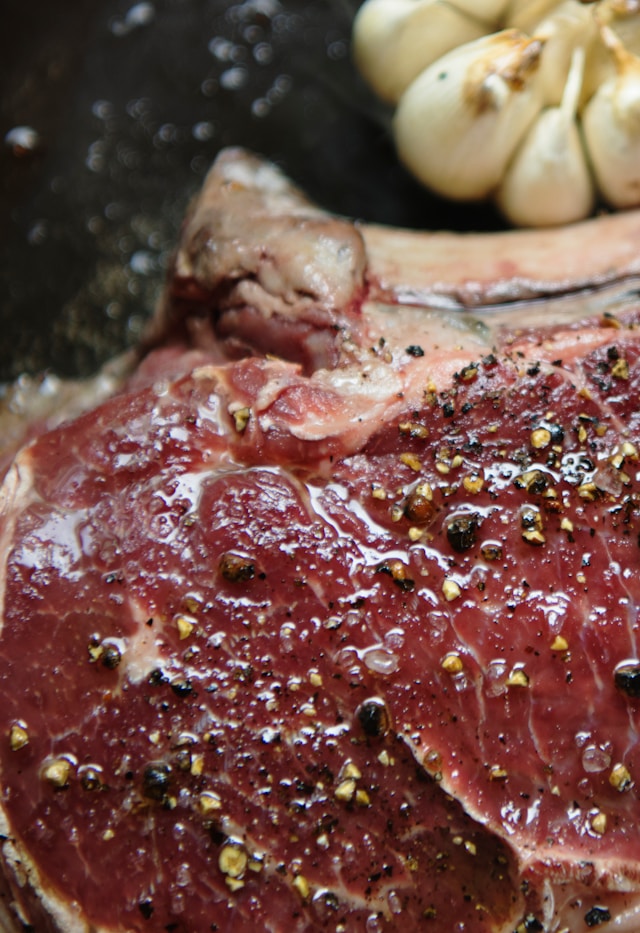
Farm-to-table cooking is a way of utilizing ingredients that are fresher, more nutrient-dense, and handled with care from start to finish. If you buy from a regenerative farm, a local market, or shop from your own backyard homestead, cooking with fresh-picked ingredients allows the flavors to shine in ways that mass-produced foods simply cannot match. But cooking pasture-raised meat requires a slightly different mindset. These products tend to be leaner, more flavorful, and more nutrient-rich,

Michael William Brescia
Top Native Birds to Attract to Your Property and Why They Matter
Creating a bird-friendly environment on your property isn’t just about enjoying the beauty of colorful feathers and cheerful songs, it’s about contributing to a balanced ecosystem. Native birds play essential roles in pollination, seed dispersal, pest control, and overall biodiversity. In Pennsylvania, focusing on native species helps maintain local ecological health while also providing a lively and vibrant backyard. In this article, Michael W. Brescia explores the top native birds to attract to your property,
Michael William Brescia
Five Regenerative Practices Any Home Gardener Can Start Using Today
Regenerative farming isn’t just for large-scale operations, it’s a mindset and a set of practices that can be applied to gardens of any size. If you have a small backyard plot, a suburban homestead, or a larger hobby farm, adopting sustainable practices improves soil health, boosts biodiversity, and enhances the flavor and nutritional value of your produce. On our farm, we’ve spent years refining techniques that restore the land while producing nutrient-dense food. Michael W.