Farm-to-table cooking is a way of utilizing ingredients that are fresher, more nutrient-dense, and handled with care from start to finish. If you buy from a regenerative farm, a local market, or shop from your own backyard homestead, cooking with fresh-picked ingredients allows the flavors to shine in ways that mass-produced foods simply cannot match.
But cooking pasture-raised meat requires a slightly different mindset. These products tend to be leaner, more flavorful, and more nutrient-rich, which means they behave differently in the kitchen than conventional supermarket cuts. Vegetables harvested within a day or two of eating often need less seasoning, and in some cases, less cooking, to taste their best.
Below, Mike Brescia explains how he and his family prepare exceptional farm-to-table meals at home, sharing recipe ideas for pasture-raised beef, pork, and chicken.
Why Farm-to-Table Ingredients Cook Differently
Pasture-Raised Meats Are Naturally Leaner
Animals raised on grass or pasture forage develop stronger muscles and less intramuscular fat (marbling) than conventionally grain-finished animals. While they are still tender and deeply flavorful, the reduced fat content means:
- They cook faster
- They benefit from lower cooking temperatures
- They retain moisture best when cooked ‘low and slow’ and rested properly
Grain-finished or factory-raised animals tend to have more fat, which acts as insulation and keeps meat juicier even at high temperatures. Pasture-raised meat doesn’t need (and won’t benefit from) those same conditions.
Fresh Vegetables Contain Higher Moisture and Nutrient Levels
Vegetables harvested and consumed within 24–48 hours contain more water, higher levels of vitamins, as well as better flavor and aroma compounds. This is why a carrot pulled from the ground tastes sweeter, a just-picked tomato tastes brighter, and herbs grown at home are more fragrant and robust.
Nutrient Density Enhances Flavor
Regenerative farms like ours build soil that is rich in minerals, organic matter, and microbial life, and this directly elevates the quality of the food grown in it. Vegetables contain higher levels of minerals and antioxidants, while meats develop better omega-3 to omega-6 ratios, improved texture, and deeper, more complex flavors. When you cook with nutrient-dense, regeneratively raised ingredients, you begin with superior raw materials, laying the foundation for truly exceptional meals.
Below, we share three delicious, nutrient-rich meals built around pasture-raised meats. We’ve tested and perfected these meals right here on our farm, and we’re excited to share these hearty, delicious dishes with you.
Grass-Fed Beef: Cast Iron Seared Steak with Herb Butter and Garden Greens
General Rules for Cooking Grass-Fed Beef:
- Cook 20–30% shorter than conventional beef
- Use lower heat
- Always rest 5–10 minutes
Ingredients
1–2 grass-fed ribeye or sirloin steaks
Salt and cracked pepper
Butter or tallow
Fresh garlic
Fresh herbs: thyme, rosemary, parsley
Spring greens or spinach
Lemon juice
Cooking Instructions
Remove steak from the fridge 30 minutes before cooking.
Pat dry and season generously with salt and pepper.
Heat a cast iron pan on medium, not high.
Add a tablespoon of butter or tallow.
Sear steak for 2–3 minutes per side for medium-rare.
Add garlic and herbs during the last minute of cooking.
Rest 5–10 minutes to redistribute moisture.
Serve over lightly sautéed garden greens with a squeeze of lemon.
The moderate heat preserves tenderness and prevents grass-fed beef from becoming tough. The herb butter adds richness that complements leaner cuts.
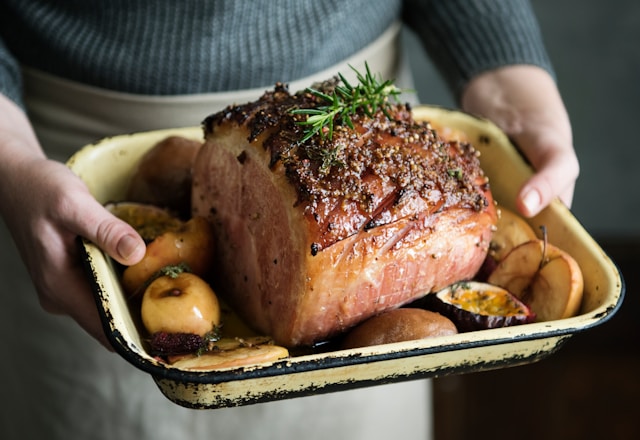
Pasture-Raised Pork: Slow-Baked Herb Pork Shoulder with Root Vegetables
Conventional pork is often bred for excessive leanness but also pumped with saline solutions. Pasture-raised pork is:
- More flavorful
- More nutrient-dense
- Higher in healthy fats
- Without added water or fillers
This means it responds beautifully to slow cooking.
Ingredients
- Pasture-raised pork shoulder or Boston butt
- Olive oil
- Salt and pepper
- Garlic, onion, rosemary, thyme
- Carrots, potatoes, onions, beets
- Bone broth or water
Cooking Instructions
Preheat oven to 275°F.
Rub pork with olive oil, salt, pepper, rosemary, and thyme.
Place in a Dutch oven with chopped vegetables.
Add ½–1 cup broth.
Cook for 4–6 hours until the meat is fork-tender.
Let rest 15 minutes before shredding or slicing.
Pasture-raised pork has exceptional flavor that shines through slow cooking. Lower oven temperatures prevent the meat from drying out, and the root vegetables capture all the juices for a rich, comforting meal.
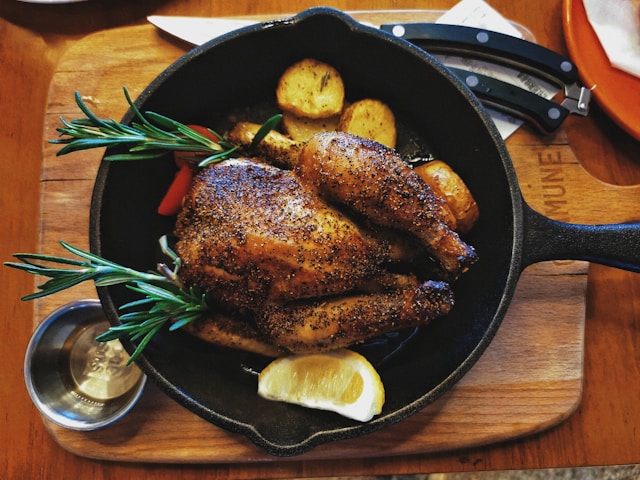
Pasture-Raised Chicken: Lemon-Garlic Roasted Chicken with Garden Herbs
Farm-raised chickens get exercise, forage for insects, and develop more muscle. This means:
- Dark meat may cook more slowly
- Breast meat can cook faster
- Skin is more flavorful
- Meat contains less water
Factory birds often contain up to 15% added water, drastically changing cooking times.
Ingredients
- Whole pasture-raised chicken
- Salt, pepper
- Fresh garlic
- Lemon
- Fresh garden herbs: parsley, sage, thyme
- Olive oil or butter
Cooking Instructions
Preheat oven to 350°F (lower than conventional recipes).
Pat the chicken very dry (important for crisp skin).
Rub with salt, pepper, olive oil, garlic, and herbs.
Stuff cavity with lemon halves and herbs.
Roast 20 minutes per pound (use a thermometer)
- Breast: 160°F
- Thigh: 170–175°F
Rest 10–15 minutes before carving.
A lower roasting temperature prevents the leaner breast meat from drying out while giving the legs enough time to become tender.
How to Maximize Flavor and Nutrition
Whether you’re cooking meat, vegetables, or eggs, these tips ensure the best results.
Use Fresh Herbs and Aromatics
Farm-grown herbs pack more flavor—and need less heat. Add at the end for best results.
Don’t Over-Season
Farm vegetables and meats are naturally flavorful. Often, all you need is:
- Salt
- Pepper
- Garlic
- Lemon
Cook Slowly When in Doubt
Low-and-slow methods preserve moisture and enhance tenderness, especially for leaner pasture-raised meats.
Use Thermometers, Not Guesswork
Internal temperature matters more than cook time!
Use the Whole Animal or Whole Plant
Regenerative cooking emphasizes reducing waste:
- Bone broth from pasture-raised chickens
- Pork lard rendered for cooking
- Beef tallow for sautéing vegetables
- Vegetable scraps for stock
Let Ingredients Shine
Farm-to-table cooking is all about simplicity. A just-harvested carrot roasted with salt and olive oil is often more flavorful than a complicated recipe using old store-bought produce.

The Home Kitchen
You don’t need acres of land or a professional setup to bring farm-fresh meals into your home.
- Start Small
- Buy one pasture-raised cut per week
- Grow herbs on a windowsill
- Start with simple meals: roasted chicken, sautéed greens, eggs from a local farmer
- Preserve What’s in Season
- Freeze summer berries
- Can tomatoes
- Store root vegetables in a cool space
- Shop Local
Farmers’ markets, CSA boxes, and regenerative farms often provide fresher, higher-quality food than supermarkets.
Cooking the Way Food Was Meant to Be
Farm-to-table cooking is about embracing real food, raised with care, and honoring it in the kitchen. Pasture-raised meats require gentler cooking, fresh vegetables need less seasoning, and herbs grown in healthy soil offer unmatched flavor.
By understanding how natural food behaves and taking a slower, more intentional approach, you can turn simple ingredients into the most nourishing and delicious meals you’ve ever cooked.