
Permaculture is rooted in the idea that productive landscapes thrive when they align with natural systems rather than attempt to dominate them. This philosophy encourages a regenerative approach to pest management, one that relies on ecological balance instead of chemical control. By applying principles such as companion planting, creating habitat for beneficial insects, and supporting natural predator–prey relationships, permaculture orchards can become self-regulating, resilient ecosystems that reduce pest pressure while improving long-term soil and plant
Michael William Brescia
Michael William Brescia
Creating Sustainable Agroforestry Systems with Native Berries
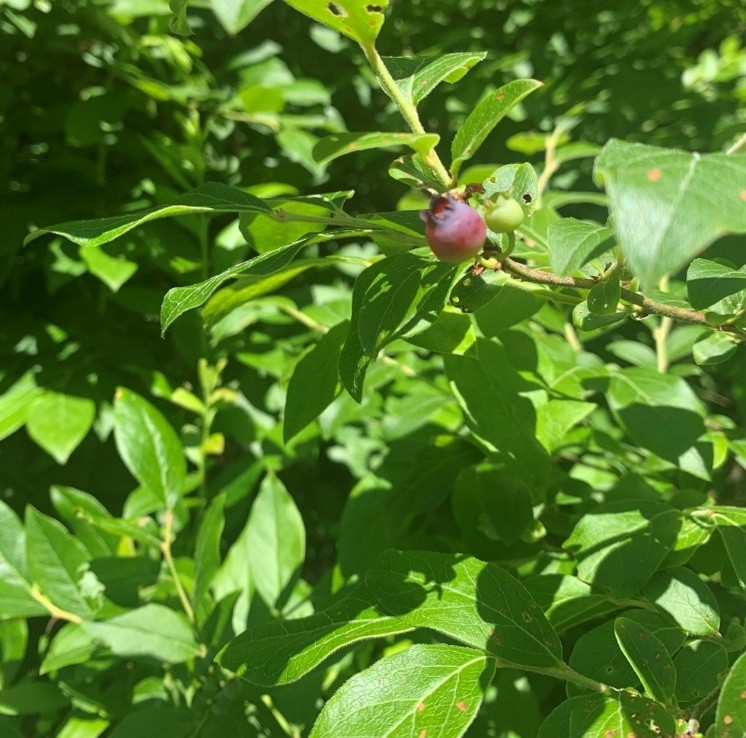
In the mountains of Northeastern Pennsylvania, a sustainable agricultural revolution is taking root as farmers and land stewards embrace agroforestry systems that integrate native berries. The pairing of wild blueberries, raspberries, and hawthorns with thoughtfully designed agroforestry practices is emerging as a blueprint for resilient, ecologically balanced farming in the region. This practice is being explored and advanced by regenerative farmers across the United States. In the following article, Michael Brescia examines how integrating native
Michael William Brescia
Embracing No-Till Gardening: A Path to Regenerative Farming
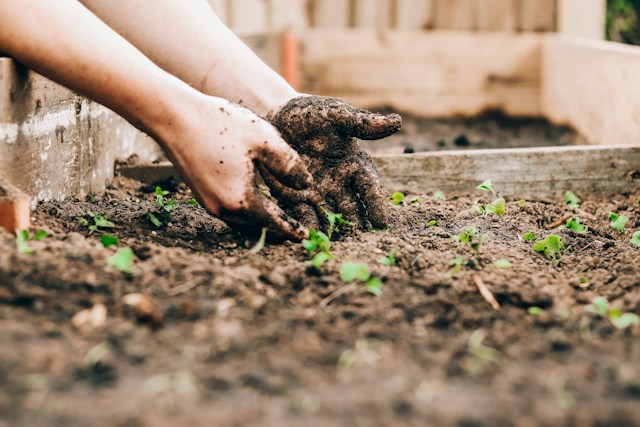
The concept of no-till gardening has gained traction among home gardeners to large-scale commercial farmers. This approach to land management challenges traditional practices by minimizing soil disturbance and promoting the health of the ecosystem. Below, Michael W. Brescia highlights the principles of no-till gardening and explore its role in fostering regenerative farming practices. Understanding No-Till Gardening No-till gardening, as the name suggests, involves growing crops without tilling or disturbing the soil. Instead of traditional plowing
Michael William Brescia Regenerative Farming
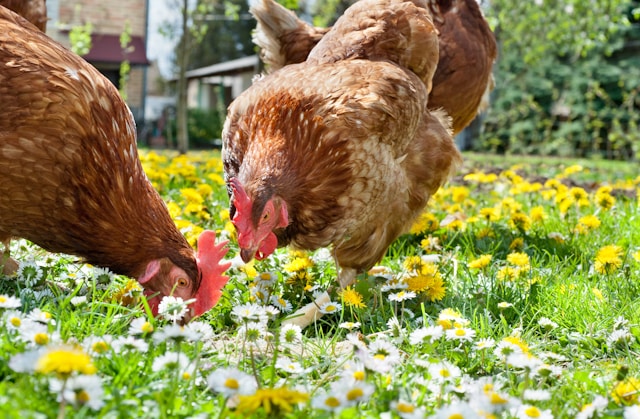
Why Rotational Grazing Is the Missing Link in Healthy Poultry Systems
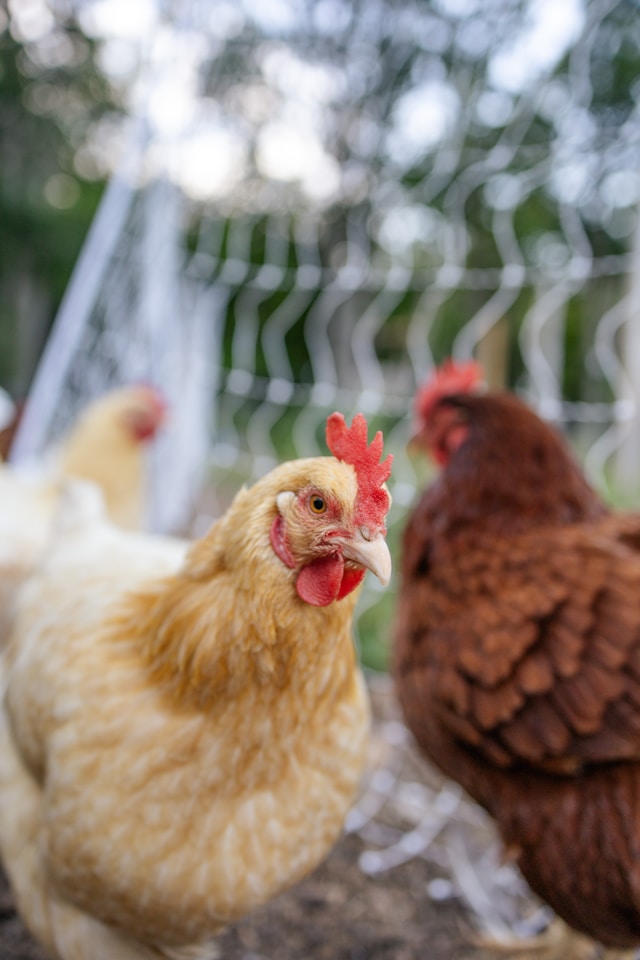
For decades, poultry production in the United States has been dominated by systems that prioritize convenience, confinement, and output over ecological balance. Even among small-scale and pasture-based producers, chickens are often managed in ways that unintentionally create soil degradation, disease pressure, and declining bird health. In regenerative agriculture, however, poultry is not viewed as an isolated enterprise. Chickens are part of a living system, one that depends on soil biology, plant diversity, and animal movement.

Michael William Brescia
How to Cook Farm-To-Table Meals for the Best Flavor and Nutrition
Farm-to-table cooking is a way of utilizing ingredients that are fresher, more nutrient-dense, and handled with care from start to finish. If you buy from a regenerative farm, a local market, or shop from your own backyard homestead, cooking with fresh-picked ingredients allows the flavors to shine in ways that mass-produced foods simply cannot match. But cooking pasture-raised meat requires a slightly different mindset. These products tend to be leaner, more flavorful, and more nutrient-rich,
Michael William Brescia
Top Native Birds to Attract to Your Property and Why They Matter
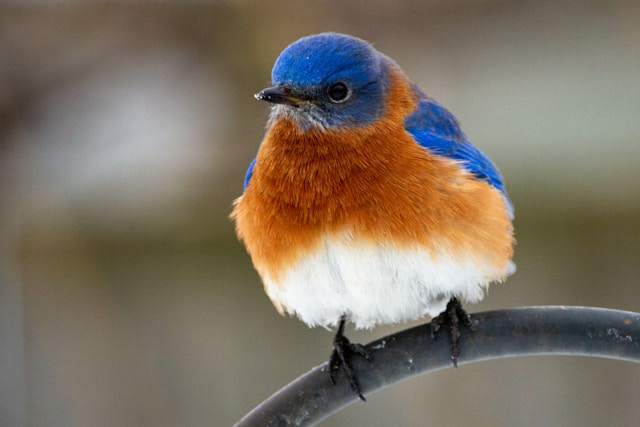
Creating a bird-friendly environment on your property isn’t just about enjoying the beauty of colorful feathers and cheerful songs, it’s about contributing to a balanced ecosystem. Native birds play essential roles in pollination, seed dispersal, pest control, and overall biodiversity. In Pennsylvania, focusing on native species helps maintain local ecological health while also providing a lively and vibrant backyard. In this article, Michael W. Brescia explores the top native birds to attract to your property,
Michael William Brescia
Five Regenerative Practices Any Home Gardener Can Start Using Today
Regenerative farming isn’t just for large-scale operations, it’s a mindset and a set of practices that can be applied to gardens of any size. If you have a small backyard plot, a suburban homestead, or a larger hobby farm, adopting sustainable practices improves soil health, boosts biodiversity, and enhances the flavor and nutritional value of your produce. On our farm, we’ve spent years refining techniques that restore the land while producing nutrient-dense food. Michael W.