
Ireland has taken a central role in a new European effort to advance regenerative ocean farming, a form of aquaculture that combines food production with ecosystem restoration. Michael William Brescia details that the initiative, known as the SEAGROW project, launched in late 2025 with funding from the European Maritime, Fisheries and Aquaculture Fund (EMFAF) and aims to significantly scale sustainable seaweed cultivation across EU waters. Partners representing five countries came together in Dublin in January
Author: Michael Brescia
Regenerative farming blog authored by Michael W. Brescia
Regenerative Farming
How to Avoid Supporting the Most Destructive Food Production Practices
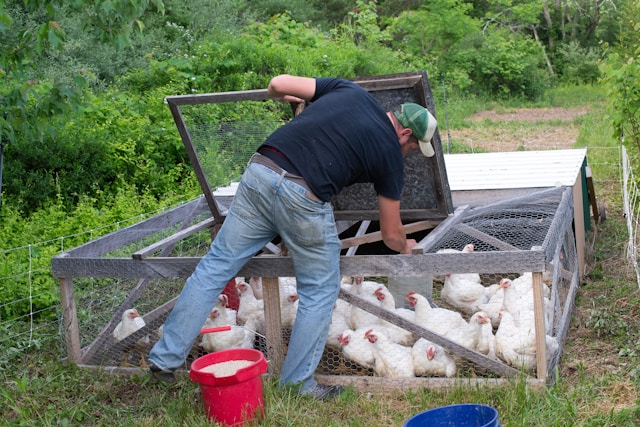
Our global food system feeds billions, but the way much of it is produced has profound environmental costs, from depleted soils and polluted waterways to lost biodiversity and strained water resources. Michael William Brescia, a regenerative organic farmer explains how consumers can make better choices that support people and the planet by avoiding the most harmful production practices. The insights below provide a roadmap for thoughtful food purchasing that nurtures ecosystems instead of degrading them.

Michael W. Brescia
America’s Health Reset
In the beginning of the year in 2026, U.S. public health policy underwent significant revision on two fronts that touch nearly every American family: childhood vaccination recommendations and national dietary guidance. These changes, announced by the Department of Health and Human Services (HHS) and the Centers for Disease Control and Prevention (CDC), represent the most substantial shift in federal health guidance in years, drawing both praise and criticism from health professionals, policymakers, and the public.
Regenerative Farming
“Glyphosate Girl” Highlights USDA’s Regenerative Pilot
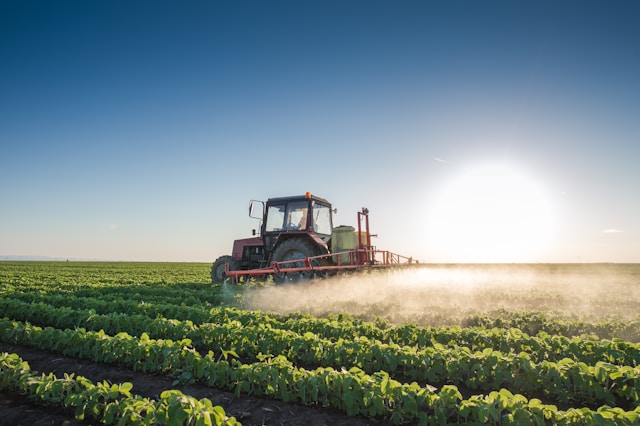
Kelly Ryerson, an outspoken advocate known to many as “Glyphosate Girl,” has become a prominent voice in the public conversation about glyphosate, conventional farming, and the future of U.S. agriculture. Her recent remarks on the U.S. Department of Agriculture’s (USDA) newly launched regenerative pilot program underscore not only support for alternative approaches to farming, but also deep-seated concerns about the longstanding use of synthetic pesticides and the industry pressures around protection and accountability. Ryerson’s perspective
Regenerative Farming
Finnish Study Finds Regenerative Farmers Treat Nature as a Partner in Decision-Making
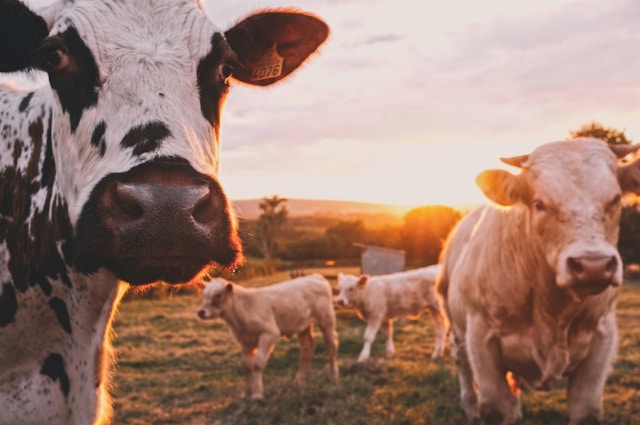
A recent study from the University of Eastern Finland highlights how farmers practicing regenerative agriculture in Finland incorporate a deep sense of connection with nature into their professional choices. Rather than viewing the environment purely as a resource to be managed, participants in the study describe a collaborative relationship in which nature informs decision-making and shapes farm practices. The research, published in Agriculture and Human Values, involved interviews with 86 farmers engaged in the Carbon
Regenerative Farming
The Synergy of Permaculture Orchard Designs
Permaculture is a design system that incorporates principles and practices aimed at creating sustainable and regenerative human habitats. It emphasizes mimicking natural patterns, fostering biodiversity, and optimizing resources used to create harmonious relationships between humans, the environment, and other living organisms. In the article below, Michael W. Brescia explains the advantages of incorporating perennial plants into orchards, using permaculture principles to reduce disease, and increase production. The Permaculture Paradigm The holistic design philosophy of permaculture

Michael William Brescia
Holistic Pest Management
Permaculture is rooted in the idea that productive landscapes thrive when they align with natural systems rather than attempt to dominate them. This philosophy encourages a regenerative approach to pest management, one that relies on ecological balance instead of chemical control. By applying principles such as companion planting, creating habitat for beneficial insects, and supporting natural predator–prey relationships, permaculture orchards can become self-regulating, resilient ecosystems that reduce pest pressure while improving long-term soil and plant
Michael William Brescia
Creating Sustainable Agroforestry Systems with Native Berries
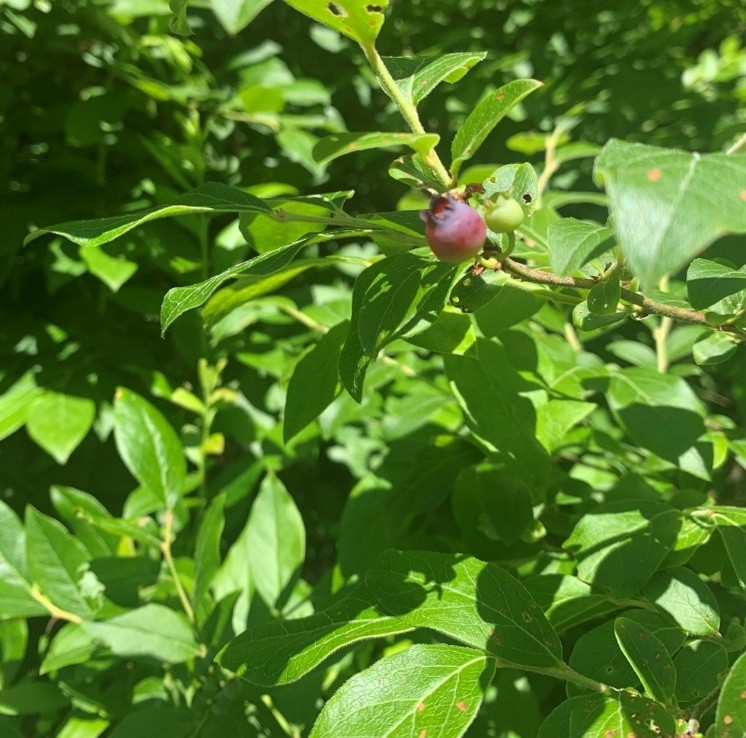
In the mountains of Northeastern Pennsylvania, a sustainable agricultural revolution is taking root as farmers and land stewards embrace agroforestry systems that integrate native berries. The pairing of wild blueberries, raspberries, and hawthorns with thoughtfully designed agroforestry practices is emerging as a blueprint for resilient, ecologically balanced farming in the region. This practice is being explored and advanced by regenerative farmers across the United States. In the following article, Michael Brescia examines how integrating native

Michael William Brescia
Embracing No-Till Gardening: A Path to Regenerative Farming
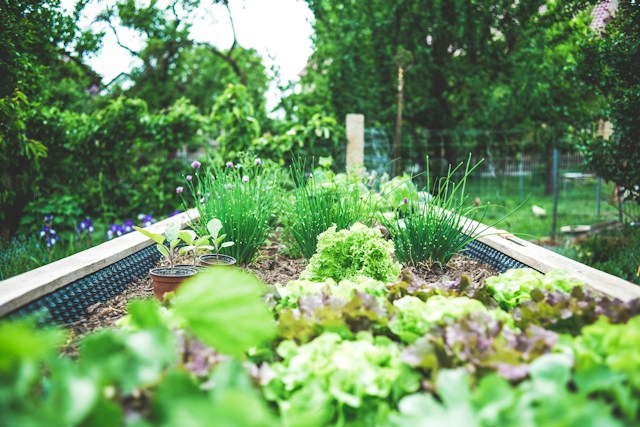
The concept of no-till gardening has gained traction among home gardeners to large-scale commercial farmers. This approach to land management challenges traditional practices by minimizing soil disturbance and promoting the health of the ecosystem. Below, Michael W. Brescia highlights the principles of no-till gardening and explore its role in fostering regenerative farming practices. Understanding No-Till Gardening No-till gardening, as the name suggests, involves growing crops without tilling or disturbing the soil. Instead of traditional plowing
Regenerative Farming
A Tactical Guide for Garden Space Planning
Gardening is not merely a hobby; it’s a meticulous craft that requires strategic planning and thoughtful consideration of space. If you’re a novice or seasoned gardener, effective space planning is essential for maximizing yields, optimizing resources, and creating a visually appealing landscape. In the following article, Mike Brescia discusses several tactical aspects of planning and space allocation in your garden to ensure a successful growing season. Assess the Space Before diving into seed catalogs and