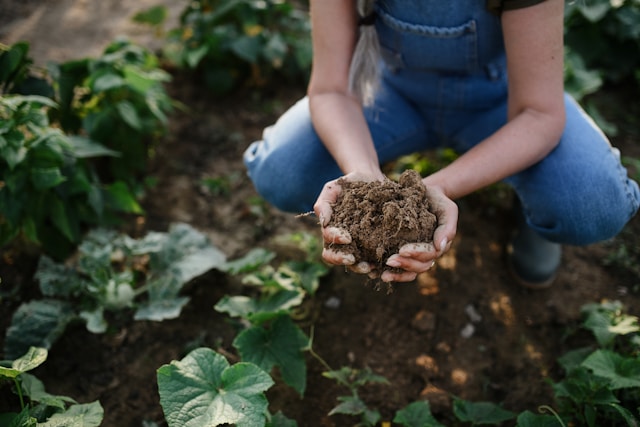
Modern agricultural science has transformed our understanding of soil from inert dirt to a living ecosystem rich in biological activity. Rather than being a static substance, healthy soil is alive with organisms such as bacteria, fungi, protozoa, and earthworms that are essential for nutrient cycling, water retention, and plant health. These biological processes directly influence soil fertility and the nutrient content available to plants. When soil is biologically robust, it supports the growth of nutrient-dense crops; when it is degraded, plants struggle to absorb the minerals they need. Michael Brescia explains that this affects the nutritional quality of the food humans and animals ultimately derive from those plants, illustrating a continuous soil–plant–human health continuum recognized in sustainable agriculture research.
Soil degradation, driven by practices such as excessive use of synthetic fertilizers, monocropping, and poor land management, has become a pressing global challenge. According to scientific studies, more than 30% of the world’s agricultural soils are now classified as degraded, with diminished organic matter and disrupted microbial communities. This degradation undermines crop productivity, reduces resilience to climate stress, and can contribute to lower micronutrient levels in food.
Plants as the Critical Link in the Nutrient Cycle
Plants serve as a vital bridge between soil and human life. Through biological processes like photosynthesis, plants extract minerals from the soil and convert them into organic compounds that humans use for energy and health. Without this intermediary role, humans cannot directly access many of the essential elements stored in soil. Agricultural science underscores this by emphasizing that plant health is closely tied to soil quality; nutrient-rich soil tends to produce nutrient-rich crops.
This dynamic has led to the widespread recognition of a “soil–plant–human health continuum,” a concept that appears in sustainable farming and agroecology. From a practical standpoint, understanding this continuum helps farmers make decisions that enhance soil biological activity and plant resilience, thereby supporting food security and human nutrition.
Biological Growth and Ecological Balance
Plant growth is driven by a complex set of natural systems: microbial symbiosis, enzymatic activity, plant immune responses, and photosynthesis. These systems operate according to ecological principles rather than simply human inputs. Scientific research shows that maximizing agricultural productivity depends on balancing inputs (like water, nutrients, and sunlight) with ecological sustainability. In other words, soil ecosystems must be healthy and functional for crops to thrive over the long term.
This understanding has given rise to regenerative agriculture and organic farming. These approaches prioritize practices that build soil organic matter, support biodiversity, and minimize disruptions to natural processes. Farmers who adopt these practices typically see improvements in soil structure, water retention, and plant health – benefits that ripple outward into broader environmental and community well-being.
Impacts of Soil Degradation on Human Communities
The global scale of soil degradation has profound implications for human populations. As soil loses its fertility, agricultural systems become more vulnerable to climate extremes, pests, and disease, threatening food supplies. In some regions, nutrient deficiency in crops correlates with persistent health issues among local populations, strengthening the case for soil and plant health as foundational elements of public health strategies.
Beyond individual nutrition, soil health influences economic stability and community resilience. Farmers who contend with poor soil conditions often face declining yields and rising costs, contributing to cycles of economic hardship. In contrast, investment in soil improvement through practices like cover cropping, reduced tillage, and organic amendments can enhance long-term productivity and stability, benefiting both rural and urban consumers.
The Ecological Web of Life
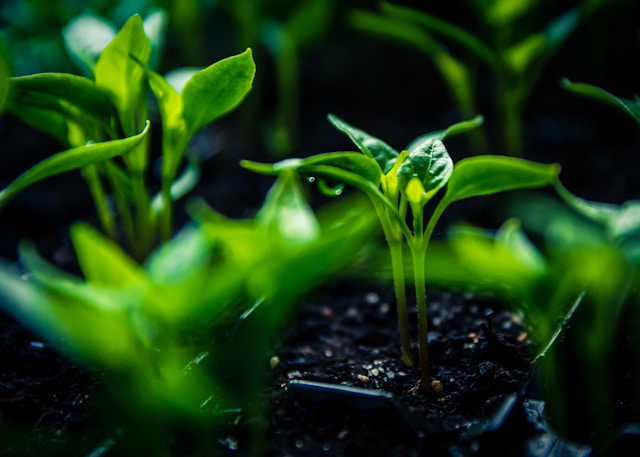
The interdependence of soil, plants, and human life reflects broader ecological principles. Soil organisms facilitate nutrient availability, plants convert those nutrients into forms usable by humans, and humans rely on both soil and plants for food, medicine, shelter, and materials. This interconnected system operates on biological feedback loops: changes in one part of the system invariably affect the others. For example, poor soil conditions can lead to lower crop quality, which can contribute to health issues in humans; conversely, healthy soil fosters vibrant plant growth that supports diverse diets and robust human health.
This view aligns with scientific frameworks that emphasize the material and energy exchanges inherent in ecosystems. Much like interconnected river systems rely on flows of water, sediments, and energy to maintain balance, soil ecosystems depend on ongoing exchanges of nutrients and biological activity to function. When any element of this system is disrupted, it sets off a chain reaction, altering the entire ecological balance.
Toward Sustainable Systems
The scientific evidence highlights that sustainable agriculture is not merely a technological upgrade; it represents a shift toward practices that recognize soil as alive and foundational. Methods that improve organic matter, support microbial diversity, and promote plant-health ecosystems connect directly to human well-being. These practices contrast sharply with approaches that treat soil as an inert medium to be exploited until it degrades.
Efforts to rehabilitate degraded soils often involve integrating ecological knowledge with agricultural management. Techniques such as crop rotation, diversified plantings, and reduced chemical dependency aim to restore soil microbial communities, improve water infiltration, and enhance nutrient cycling. In many regions, these steps contribute to increased resilience against climate stresses like drought and flooding.
Recognizing Limitations and Future Research Needs
Despite strong evidence connecting soil health to plant and human outcomes, challenges remain in quantifying specific cause-effect relationships across diverse environments. Soil conditions can vary dramatically across regions and seasons, and the impact of specific practices may differ based on local climates, crop types, and management histories. Continued research is needed to develop region-specific recommendations and to better understand how soil interventions scale across farming systems. Additionally, long-term studies can help clarify the socio-economic benefits of regenerative practices for farming communities worldwide.
Reframing Agricultural Priorities
Understanding the interconnected nature of soil, plants, and human health underscores the importance of treating soil not as a passive substrate, but as a dynamic, biologically active foundation of food systems. Prioritizing soil health through sustainable practices can lead to healthier plants, more nutritious food, and stronger, more resilient communities. Investments in ecological balance and soil stewardship ultimately support the broader goal of a sustainable and equitable food future.