Creating a bird-friendly environment on your property isn’t just about enjoying the beauty of colorful feathers and cheerful songs, it’s about contributing to a balanced ecosystem. Native birds play essential roles in pollination, seed dispersal, pest control, and overall biodiversity. In Pennsylvania, focusing on native species helps maintain local ecological health while also providing a lively and vibrant backyard.
In this article, Michael W. Brescia explores the top native birds to attract to your property, explain why they’re important, and offer tips for creating habitats that welcome them year-round.
Why Native Birds Matter
Native birds are critical players in the environment. They help control insect populations, spread seeds for native plants, and contribute to healthy forest regeneration. Unlike non-native species, native birds are well-adapted to local climates, food sources, and seasonal patterns, making them easier to support sustainably.
Encouraging native species on your property also supports Pennsylvania’s broader ecosystems. Birds like warblers, vireos, and woodpeckers maintain forest health by keeping insect populations in check, while hummingbirds and orioles contribute to pollination for flowering plants. By prioritizing native species, you help strengthen natural processes that benefit both wildlife and humans.
Eastern Bluebird (Sialia sialis)
The Eastern Bluebird is one of Pennsylvania’s most beloved birds. With its vivid blue plumage and gentle orange chest, it’s a symbol of spring and renewal. Bluebirds thrive in open fields, pastures, and gardens with scattered trees. They feed primarily on insects, helping control beetles, caterpillars, and other pests naturally.
To attractive bluebirds, it’s important to provide nest boxes mounted on posts at least 4–6 feet above the ground. Ensure boxes have a clear flight path and are situated away from dense shrubs to discourage predators. Planting native fruiting shrubs like dogwood or serviceberry can also supplement their diet.
Bluebirds help control insects in your garden and support ecological balance by spreading seeds from berries they consume.
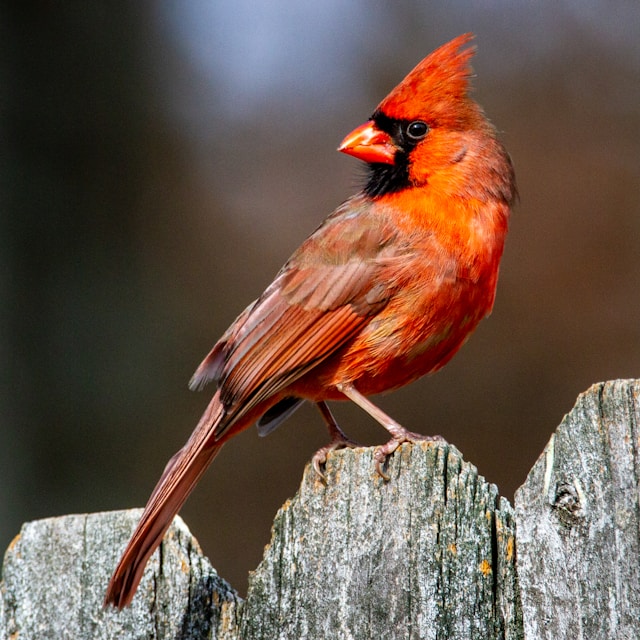
Northern Cardinal (Cardinalis cardinalis)
The Northern Cardinal is a year-round resident of Pennsylvania and a favorite among backyard birdwatchers. Known for its bright red feathers and melodic song, the cardinal is relatively easy to attract with feeders and native plants.
Cardinals prefer dense shrubs or thickets for nesting. Provide sunflower seeds, safflower seeds, or cracked corn to encourage visits. Berry-producing native shrubs like viburnum or holly are excellent natural food sources. Cardinals are effective seed dispersers, which helps promote the growth of native plants and shrubs in your yard and surrounding areas.
American Robin (Turdus migratorius)
The American Robin is an iconic springtime bird in Pennsylvania, often seen foraging on lawns for earthworms and insects. Robins are early indicators of seasonal change, and their feeding habits help aerate soil and control invertebrate populations.
Plant fruiting trees such as crabapple or cherry to provide additional food sources. Keep lawns pesticide-free to ensure robins have access to safe and abundant food. Mulched garden beds also attract insects they feed on. By feeding on insects and dispersing seeds from berries, robins play a dual role in pest control and plant propagation.
Red-winged Blackbird (Agelaius phoeniceus)
Red-winged Blackbirds are commonly found near wetlands, ponds, and marshy areas in Pennsylvania. Males display striking red and yellow shoulder patches, while females are streaky brown, blending into marsh vegetation.
If you have a pond, wetland, or even a small water feature, plant native grasses and cattails to provide nesting and feeding sites. Avoid mowing too close to water edges during nesting season to protect eggs and chicks. Red-winged Blackbirds help control insect populations in wetland areas and contribute to the health of aquatic ecosystems by supporting plant diversity through seed dispersal.
Eastern Towhee (Pipilo erythrophthalmus)
Eastern Towhees are ground-dwelling birds often seen in Pennsylvania’s forests, shrublands, and garden edges. With their distinctive “drink-your-tea” song, they are a delightful addition to any backyard ecosystem. Towhees feed primarily on insects, seeds, and berries, scratching leaf litter to uncover food.
Leave brush piles or dense shrubs in your yard to provide cover. Native berry bushes like elderberry, spicebush, or winterberry offer supplemental food during fall and winter months. Towhees help decompose leaf litter and control insect populations, enriching soil and fostering a healthier garden ecosystem.
Tufted Titmouse (Baeolophus bicolor)
The Tufted Titmouse is a small, gray bird with a crest, commonly seen in Pennsylvania woodlands and backyard feeders. These birds are agile foragers, eating insects, seeds, and nuts, making them excellent partners for integrated pest management in gardens.
To attract these birds, provide suet, sunflower seeds, and peanuts at feeders. Native oak and hickory trees provide natural food sources and nesting sites. Titmice help reduce insect pressure on plants and contribute to seed dispersal, supporting the growth of native trees and shrubs.
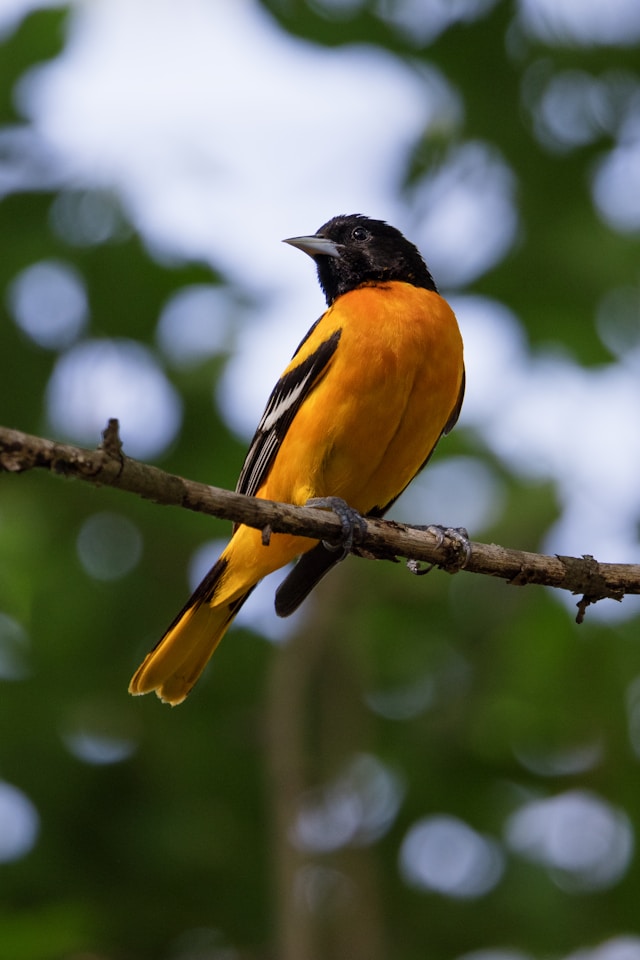
Baltimore Oriole (Icterus galbula)
The Baltimore Oriole, with its vivid orange and black plumage, is a highlight of Pennsylvania’s summer landscapes. Orioles primarily feed on insects, nectar, and fruit. They are excellent pollinators and help control garden pests.
Plant native flowering trees like redbud or serviceberry and hang nectar feeders in late spring and early summer. They also appreciate small fruiting trees and shrubs for nesting and feeding.
Orioles contribute to both pest control and pollination, supporting a healthy and diverse garden ecosystem.
How to Create a Bird-Friendly Habitat on Your Property
Attracting these native birds requires more than just feeders. A thriving habitat includes:
Native Plants: Trees, shrubs, and flowering plants adapted to Pennsylvania provide natural food, shelter, and nesting sites.
Water Sources: A small pond, birdbath, or fountain keeps birds hydrated and attracts a variety of species.
Safe Spaces: Dense brush, trees, and shrubs offer protection from predators and harsh weather.
Avoid Chemicals: Pesticides, herbicides, and chemical fertilizers can harm birds directly and reduce their insect food sources.
By intentionally designing your garden or yard to support native birds, you create an ecosystem where birds, plants, and even beneficial insects thrive together.
The Broader Impact
Attracting and supporting native birds on your property does more than make your yard beautiful. Each species plays a vital ecological role:
Pollination: Birds like orioles and hummingbirds assist in fertilizing flowers, improving fruit and vegetable yields.
Pest Control: Insect-eating birds reduce the need for chemical pesticides in gardens and landscapes.
Seed Dispersal: Many birds spread seeds for trees, shrubs, and wildflowers, supporting natural regeneration and biodiversity.
Education and Connection: Watching native birds fosters environmental awareness and encourages stewardship of local habitats.
Supporting native birds strengthens Pennsylvania’s ecosystems, ensuring that natural cycles continue and biodiversity flourishes.
Tips for Starting Your Bird-Friendly Garden
Begin small, even a single feeder or a small garden patch planted with native flowers can make a meaningful difference in attracting local birds. Incorporating a variety of plants, including trees, shrubs, and flowering species, provides year-round food and shelter to support diverse bird populations. Water and shelter are equally important; adding birdbaths, ponds, or small brush piles helps create a complete habitat that meets wild birds’ essential needs. Observing and learning from the birds that visit allows you to adjust plantings or feeders according to seasonal patterns and preferences.
Create a Thriving Sanctuary
Creating a backyard or property that attracts native Pennsylvania birds is a rewarding way to enjoy nature’s beauty, and foster a more sustainable environment. By planting native species, providing water and shelter, and avoiding chemicals, you can transform your yard into a haven for these essential creatures. Every bird you attract contributes to a healthier, more balanced ecosystem while giving you the joy of connecting with nature.