Ireland has taken a central role in a new European effort to advance regenerative ocean farming, a form of aquaculture that combines food production with ecosystem restoration. Michael William Brescia details that the initiative, known as the SEAGROW project, launched in late 2025 with funding from the European Maritime, Fisheries and Aquaculture Fund (EMFAF) and aims to significantly scale sustainable seaweed cultivation across EU waters. Partners representing five countries came together in Dublin in January 2026 for the project’s first in-person planning meeting at Trinity College Dublin, marking the formal beginning of collaborative efforts to shape the future of marine farming in Europe.
SEAGROW — which stands for Seaweed in Ecosystem Enhancing Aquaculture for Growth and Sustainability — seeks to build seaweed farming methods that deliver both environmental and economic benefits. Coordinated from Ireland by Óir na Farraige, a regenerative aquaculture enterprise, the project will test innovative cultivation systems designed to raise seaweed yields while reducing labour, material inputs, and production costs. At the same time, partners will monitor how these systems affect marine biodiversity and overall ecosystem health. This dual focus reinforces the belief that aquaculture can be productive and beneficial for coastal environments when thoughtfully deployed and scientifically assessed.
Bridging Science and Industry
A key principle guiding SEAGROW is collaboration between research institutions and industry stakeholders. In addition to Irish partners — including Óir na Farraige and environmental scientists from Trinity College Dublin — the consortium brings together organizations from countries such as Portugal, Malta, Bulgaria, and the Netherlands. Together, they plan to develop tools and frameworks that support sustainable practices, such as environmental assessment models, standard operating protocols, and decision-support systems for producers.
The Irish seafood development agency, Bord Iascaigh Mhara (BIM), has expressed strong support for the project, noting its alignment with Ireland’s national strategy for macroalgae cultivation through 2030.
Regenerative Aquaculture Beyond National Waters
While SEAGROW’s activities will include pilot work in Irish waters, the scope of the initiative extends beyond the Atlantic coast. Feasibility studies will examine how similar regenerative farming approaches could be adapted for other marine environments, including the Mediterranean and Black Seas. This broader geographic lens highlights the potential for regenerative aquaculture to support not just local livelihood strategies, but also larger ecosystem restoration efforts across diverse marine regions.
Experts involved in the project stress the importance of aligning science with practical industry needs. One local industry representative described the collaborative ethos with an Irish phrase — fite fuaite — meaning “intertwined,” reflecting a shared understanding that environmental sustainability and food production must advance hand in hand. Such cross-sector cooperation is central to SEAGROW’s mission and underscores its broader ambition of supporting sustainable coastal economies across Europe.
Context and Broader Significance
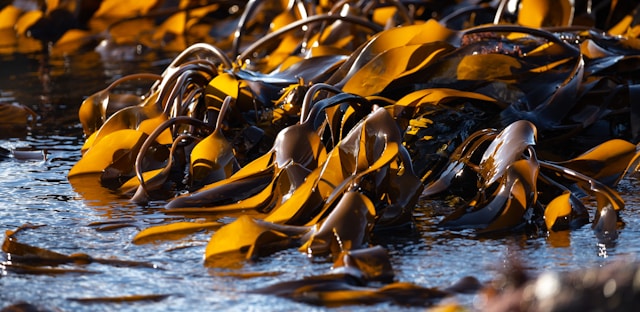
The launch of SEAGROW is part of a growing European emphasis on regenerative aquaculture, a sector that advocates say can contribute significantly to food security and biodiversity conservation. Seaweed — a key focus of the project — has multiple ecological benefits: it absorbs carbon dioxide, provides habitat for marine life, and can improve water quality by cycling nutrients. Across the continent, other initiatives and funding mechanisms are emerging to support similar goals, including efforts to build seaweed industry capacity and promote sustainable macroalgae value chains.
Although ambitious, SEAGROW’s success will depend on navigating several challenges, including optimizing systems for different marine environments, ensuring consistent economic returns for producers, and balancing environmental safeguards with industry scalability. By producing practical tools, evidence-based guidelines, and collaborative networks, the project aims to address some of these uncertainties and provide a roadmap for future growth.
A Forward Path
As SEAGROW moves beyond its kickoff phase, participating partners will work to refine cultivation technologies, compare ecological outcomes, and develop shared standards that can guide regenerative ocean farming across Europe. The initiative remains closely tied to broader EU environmental priorities, such as the European Green Deal and sustainable aquaculture guidelines, further embedding regenerative aquaculture within continental policy frameworks.
By bringing together diverse expertise, supporting evidence-based innovation, and emphasizing environmental benefits alongside economic viability, SEAGROW represents a promising step toward transforming how ocean food systems are designed and managed. The project’s work could inform future seaweed farming practices not only in Europe but in coastal regions globally, as stakeholders continue to explore ways to feed growing populations while protecting the planet’s marine ecosystems.