Our global food system feeds billions, but the way much of it is produced has profound environmental costs, from depleted soils and polluted waterways to lost biodiversity and strained water resources. Michael William Brescia, a regenerative organic farmer explains how consumers can make better choices that support people and the planet by avoiding the most harmful production practices. The insights below provide a roadmap for thoughtful food purchasing that nurtures ecosystems instead of degrading them.
The Hidden Costs of Industrial Food Production
Industrial agriculture has significantly increased yields over the past century, but this productivity has come with steep ecological trade‑offs. One of the most widespread and damaging methods is monoculture cropping, where a single crop is planted repeatedly on the same land. This practice depletes soil nutrients, undermines natural soil structure, and leaves land vulnerable to erosion and chemical dependency. Without the natural diversity of plant species, pest outbreaks become more common, leading farmers to rely heavily on synthetic pesticides and herbicides that can harm beneficial insects and contaminate nearby water systems.
Another major issue is heavy pesticide and chemical use. Modern farming frequently leans on powerful synthetic inputs to protect crops and boost yields. While effective at controlling targeted pests, these chemicals often have cascading effects on ecosystems. Beneficial organisms, including pollinators and soil microbes, are collateral victims, and residues can remain in soils for years, disrupting the natural balance of nutrients and life cycles.
Over‑irrigation represents another serious concern, especially in drought‑prone regions. Excessive watering not only wastes a finite resource — agriculture accounts for the majority of freshwater withdrawals globally — but also contributes to soil salinization, which can make land less productive over time. The depletion of aquifers that took centuries to form raises questions about the long‑term sustainability of conventional irrigation practices.
Perhaps most emblematic of industrial food systems is the dominance of concentrated animal feeding operations (CAFOs). These large‑scale livestock facilities confine thousands of animals in tight quarters, generating massive waste streams and heavy greenhouse gas emissions. CAFOs also depend on vast quantities of grain for feed, which drives the expansion of monocultures and accelerates deforestation and habitat loss as land is cleared for feed crops. The overall footprint of industrial animal agriculture on land use, climate emissions, and freshwater use is disproportionately large compared to the calories it produces.
Better Food Production Alternatives
Regenerative farming is an approach that actively improves soil health and ecosystem balance rather than merely sustaining it. Regenerative systems often incorporate cover crops, composting, minimal tillage, and diversified plantings — all designed to mimic the resilience and nutrient cycling found in natural ecosystems. Farms using regenerative methods have shown improvements in soil structure, carbon sequestration, and water retention, making them more resilient to climate extremes and reducing the need for heavy inputs.
To build soil fertility without synthetic fertilizers, regenerative farmers rely on organic‑based techniques such as applying compost, using nitrogen‑fixing cover crops like clover or vetch, and integrating crop residues back into the soil. These practices create a living soil system that sustains plant health naturally while reducing dependency on manufactured inputs.
Diversified crop rotations also play a crucial role. Rotating crops interrupts pest and disease cycles, supports a broader range of soil organisms, and spreads risk across different plant families. This diversity acts as a natural form of pest control and enhances long‑term productivity.
In contrast to CAFOs, pasture‑raised livestock can offer ecological benefits when managed correctly. Grazing animals on rotationally managed pastures can stimulate plant growth, improve nutrient cycling, and help build soil organic matter. This approach mirrors the dynamic relationships found in natural grassland ecosystems and avoids the concentrated waste issues associated with confined animal systems.
Consumer Actions That Make a Difference
Making informed food choices doesn’t require perfection, but thoughtful decisions do matter. Here are several practical steps consumers can take today:
One key idea is to seek out meaningful certifications such as Regenerative Organic Certified, USDA Organic, Certified Humane, or Grassfed. These labels, although sometimes costly for farmers to obtain, provide a degree of verification that the food was produced with stricter environmental and welfare standards.
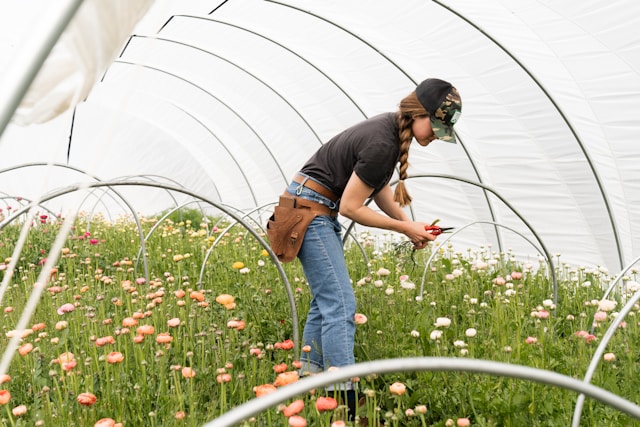
Supporting small and regenerative farms directly can also shift economic incentives. Purchasing from farmers markets, joining a local CSA (Community Supported Agriculture), or choosing retailers that partner with regenerative producers ensures more of your food spending supports ecological health rather than industrial extraction.
Reducing food waste is another powerful lever. In the U.S. alone, roughly 40% of food produced is never eaten, meaning all the resources used to grow, transport, and process it are effectively wasted. Planning meals, storing food appropriately, and creatively using leftovers can help ensure that the environmental footprint of production does not go unused.
Finally, buying seasonal, local produce keeps food miles and storage needs down while bolstering local food systems and often delivering fresher, more nutritious products to your table.
Moving Toward a More Resilient Food System
Understanding the ecological costs behind common food production practices empowers consumers to act with intention. Choosing foods produced through regenerative and diversified systems sends a clear signal to the market: that people want agriculture that supports soil health, biodiversity, and long‑term sustainability rather than industrial extraction and degradation.
At the same time, it’s important to recognize that systemic change requires both individual choices and broader policy shifts. Redesigning agricultural subsidies, improving resource‑efficient practices, and investing in farmer education and infrastructure are essential components of a food system transition that benefits both people and the planet. A thoughtful combination of consumer demand, agricultural innovation, and supportive policy can help move food systems toward sustainability without sacrificing food security or rural livelihoods.